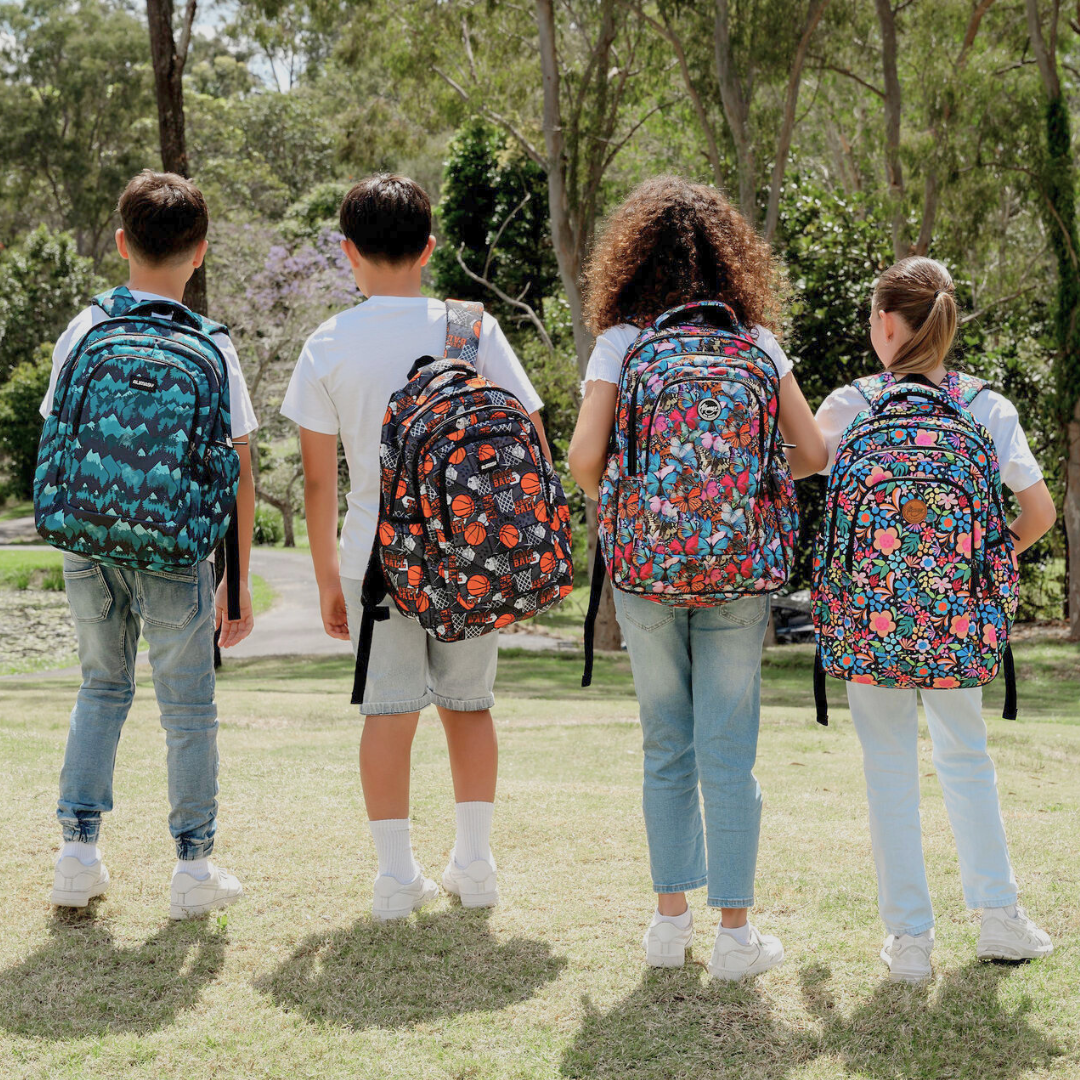
900D vs 600D Polyester: Which School Bag Fabric Is Right for Your Family?
When shopping for a durable school backpack in Australia, many parents ask:
What’s the difference between 600D and 900D polyester?
Is 900D better for school bags?
Which fabric will last longer?
At Alimasy, we use both 600D and 900D polyester across our range — and we want to be clear:
👉 600D polyester is still a fantastic choice for school backpacks.
This guide will help you understand the difference so you can confidently choose the right quality school bag for your child.
What Does “D” Mean in School Bag Fabric?
“D” stands for Denier, which measures the thickness and strength of fibres used in fabric.
-
600D polyester = strong, reliable, lightweight
-
900D polyester = thicker, more structured, heavy-duty
Both are considered durable materials for school backpacks. The difference comes down to structure, feel and intended use.
600D Polyester: A Proven Choice for Kids’ School Bags
600D polyester is one of the most commonly used fabrics in quality school backpacks — and for good reason.
Why 600D is Great for School Bags:
✔ Strong and durable for everyday school use
✔ Lightweight for younger children
✔ Flexible and comfortable to carry
✔ Holds bright, colourful prints beautifully
✔ Resistant to general wear and tear
For primary school children, 600D polyester is an excellent choice. It’s durable enough for books, lunch boxes and daily school life, while remaining light enough for growing bodies.
At Alimasy, our 600D school backpacks are designed to:
-
Handle daily packing and unpacking
-
Withstand playground use
-
Maintain vibrant, on-trend prints kids love
-
Deliver long-lasting performance
It is absolutely not a “lesser” fabric — it’s simply suited to different needs.
900D Polyester: Premium Structure & Extra Durability
900D polyester is thicker and more structured.
Why Parents Choose 900D:
✔ More structured shape retention
✔ Increased abrasion resistance
✔ Premium, heavier feel
✔ Ideal for older students and adults
✔ Excellent for laptop backpacks and commuting
The added thickness makes 900D ideal for:
-
University bags
-
Everyday work bags
-
Heavier loads
If you’re searching for a heavy-duty backpack for school, 900D may be the right choice.
600D vs 900D: What’s the Real Difference?
| Feature | 600D Polyester | 900D Polyester |
|---|---|---|
| Weight | Lighter | Slightly heavier |
| Structure | Flexible | More structured |
| Durability | Strong & reliable | Extra abrasion resistance |
| Best For | Primary school bags | High school, laptops, adults |
| Prints | Vibrant patterned designs | Premium solid colours |
Both fabrics are:
-
Durable
-
Water-resistant (when coated)
-
Designed for everyday school use
-
Backed by our lifetime warranty
The difference isn’t about good vs better — it’s about choosing the right school backpack for your child’s stage and needs.
How to Choose the Right School Bag in Australia
If your child is:
-
In Prep to Primary School → 600D is a fantastic option
-
Carrying heavier textbooks or devices → 900D may be better
-
Wanting bold, colourful prints → 600D holds prints beautifully
-
Looking for a more minimal or classic style → 900D offers a premium finish
Every family is different — and that’s why we offer both.
Why Fabric Choice Matters
As parents ourselves, we know you don’t want to:
-
Replace school bags every year
-
Waste money on poor quality
-
Deal with sagging or tearing
That’s why at Alimasy:
-
We never compromise on materials
-
We use reliable YKK zips
-
We design in Australia
-
We back every product with a lifetime warranty
Whether you choose a 600D kids backpack or a 900D premium school bag, you’re investing in durability, thoughtful design and products built for real school life.
The Bottom Line
✔ 600D polyester is a strong, reliable, lightweight fabric that is perfect for children’s school backpacks.
✔ 900D polyester offers additional structure and heavy-duty performance for older students and adults.
✔ Both are quality materials designed to last.
If you're shopping for the best school backpacks in Australia, the right choice depends on your child’s needs — not just the number.
And whichever you choose, we’ve designed it to last.